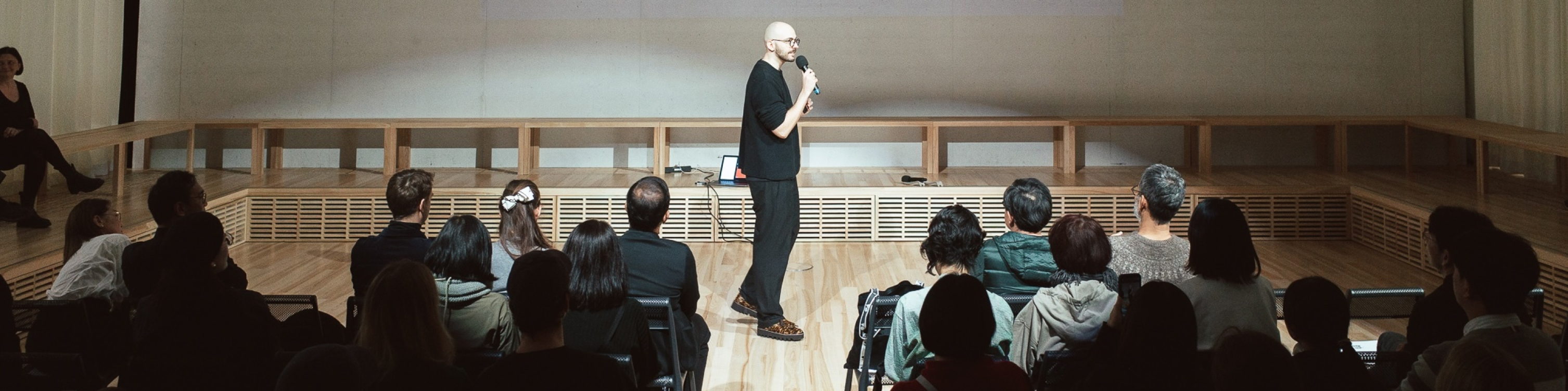
A product leaderProduct LeaderDefines product vision, aligns teams and stakeholders, and turns business goals into products that create measurable user and business value. / product builderProduct BuilderTurns ideas into real, usable products by combining strategy, UX, technology, experimentation, and execution from concept to launch. using AI-native thinking to turn complex customer problems into clear, scalable digital products.
00:00:00
Warsaw
Savanna One
Client
Conetso
Scope
WMS + MES platform, discovery to delivery
Year
9 months, 2023
Role
Product Owner
Live site
savannaone.com
In short
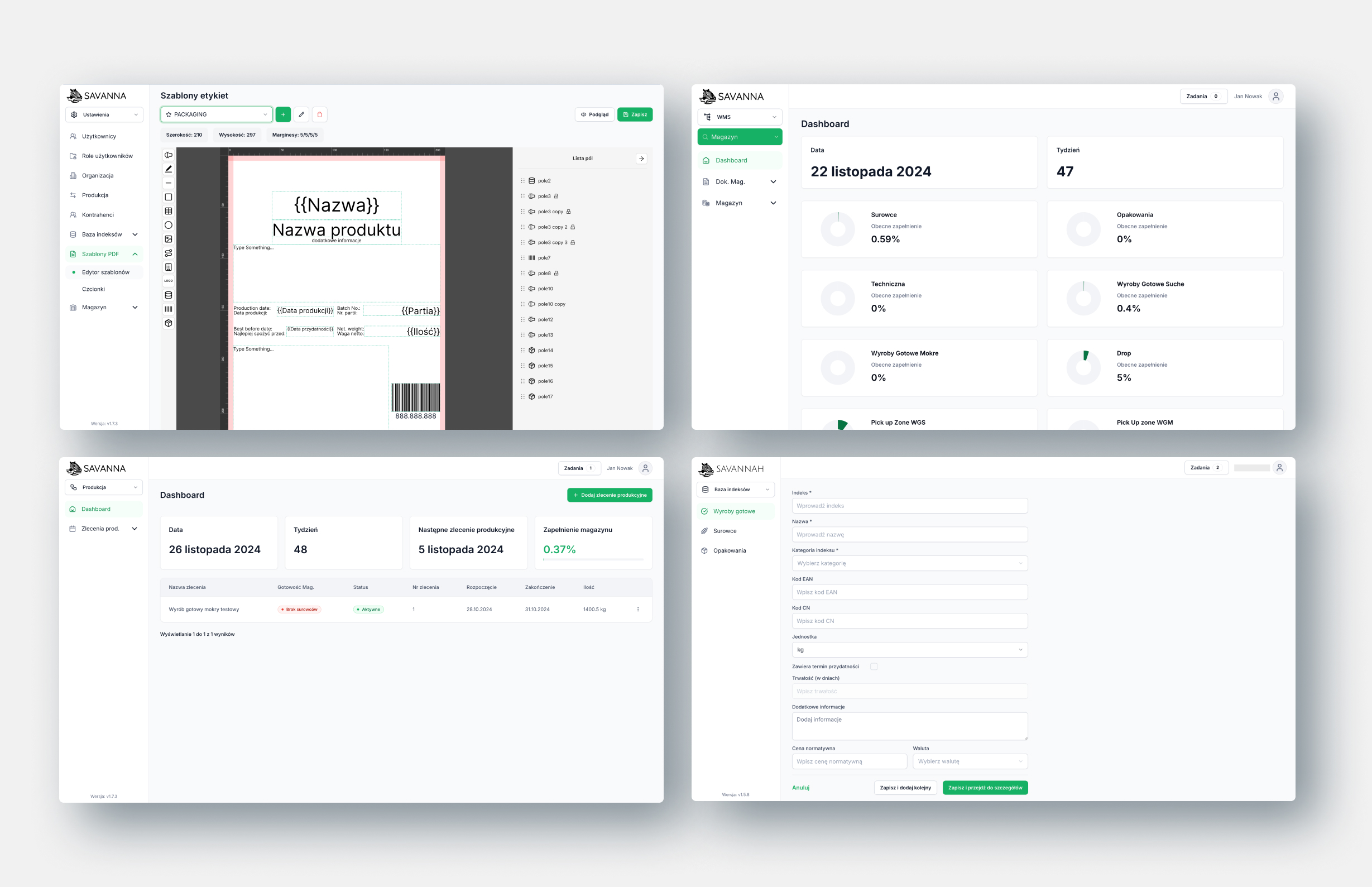
A unified Warehouse Management System and Manufacturing Execution System for a major food producer. The brief was much bigger than replacing software: complex warehouse and production environments, specialised workflows, many roles, disconnected systems and a long list of operational dependencies. As Product Manager and Product Owner I owned the lifecycle from discovery to delivery, and led the UX workstream alongside it, so product decisions and experience decisions evolved together.
By the numbers
The challenge
The platform had to unify warehouse and manufacturing operations while staying flexible enough for whatever came next. Four challenges shaped the product strategy.
Discovery
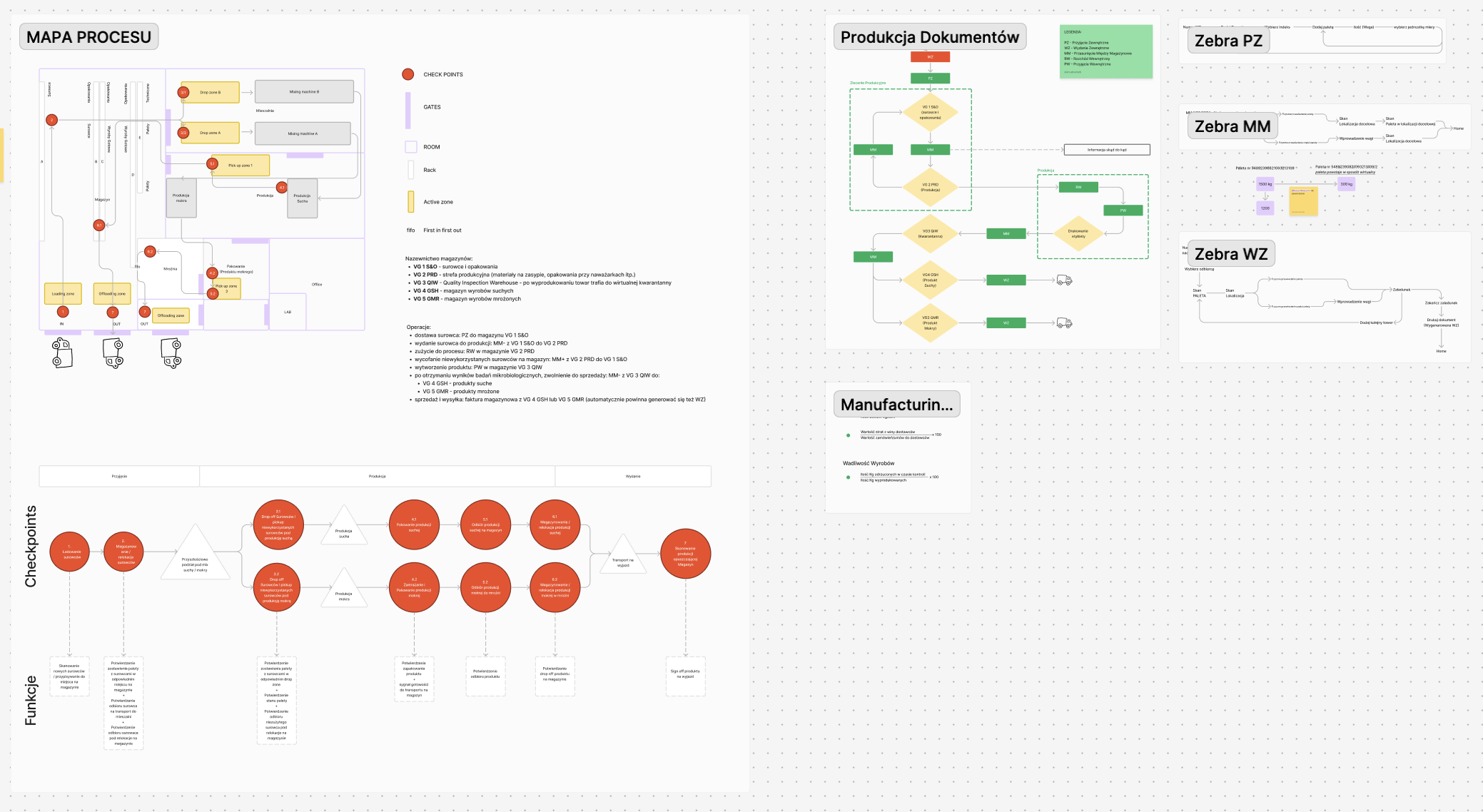
The project opened with a 3.5-week discovery phase, deliberately separated from solution design. Before deciding what to build, the business, the users, the operating environment, the constraints and the opportunity had to be understood well enough to be shared. Five tracks fed it.
Strategy and roadmap
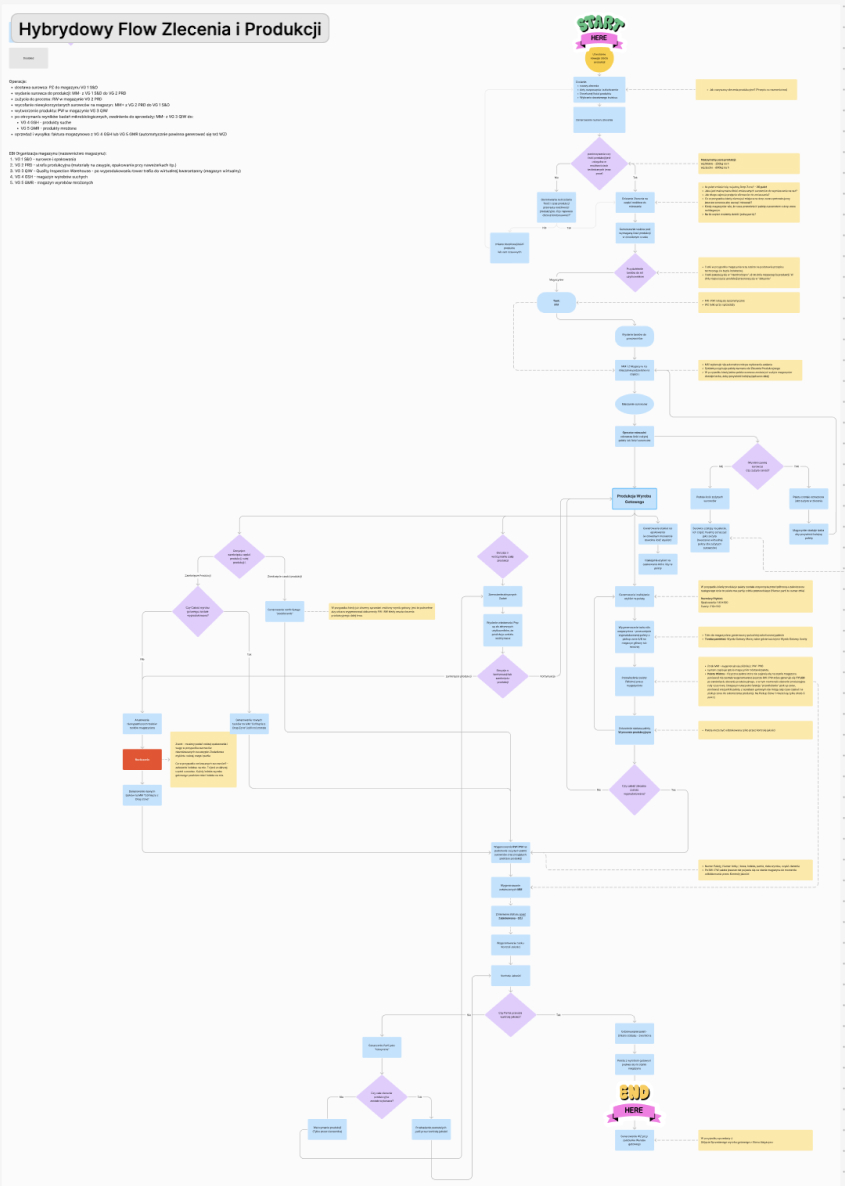
With direction and information architecture validated, the discovery findings became an Agile delivery strategy. Instead of one enormous release, the platform was decomposed into four milestones, each delivering value and retiring risk on its own. Tap one.
The roadmap lived in FigJam, connecting milestones, dependencies, priorities and timelines into one shared view. It was treated as a decision-making framework rather than a fixed commitment: as new requirements and constraints appeared, it was the instrument for reassessing sequencing and resources. The full roadmap with taks and sprints was created in Jira.
Product design
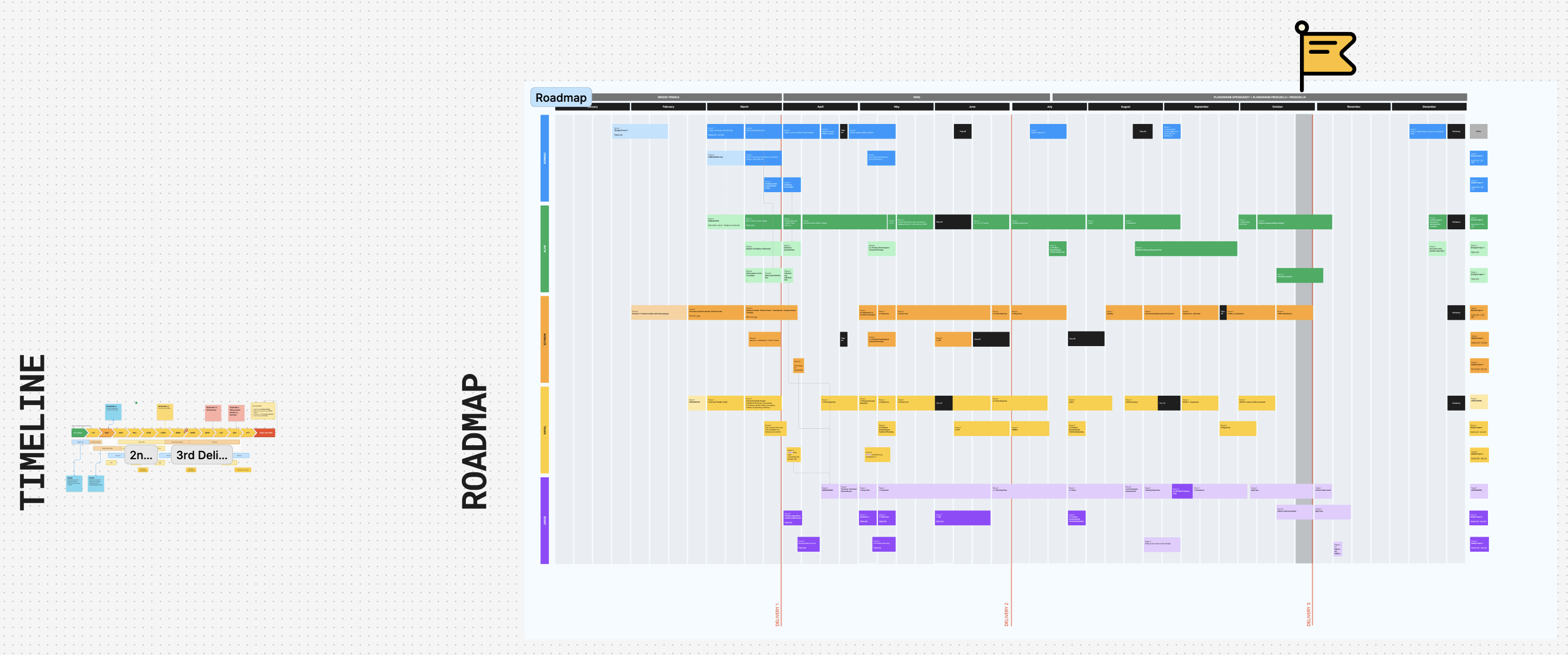
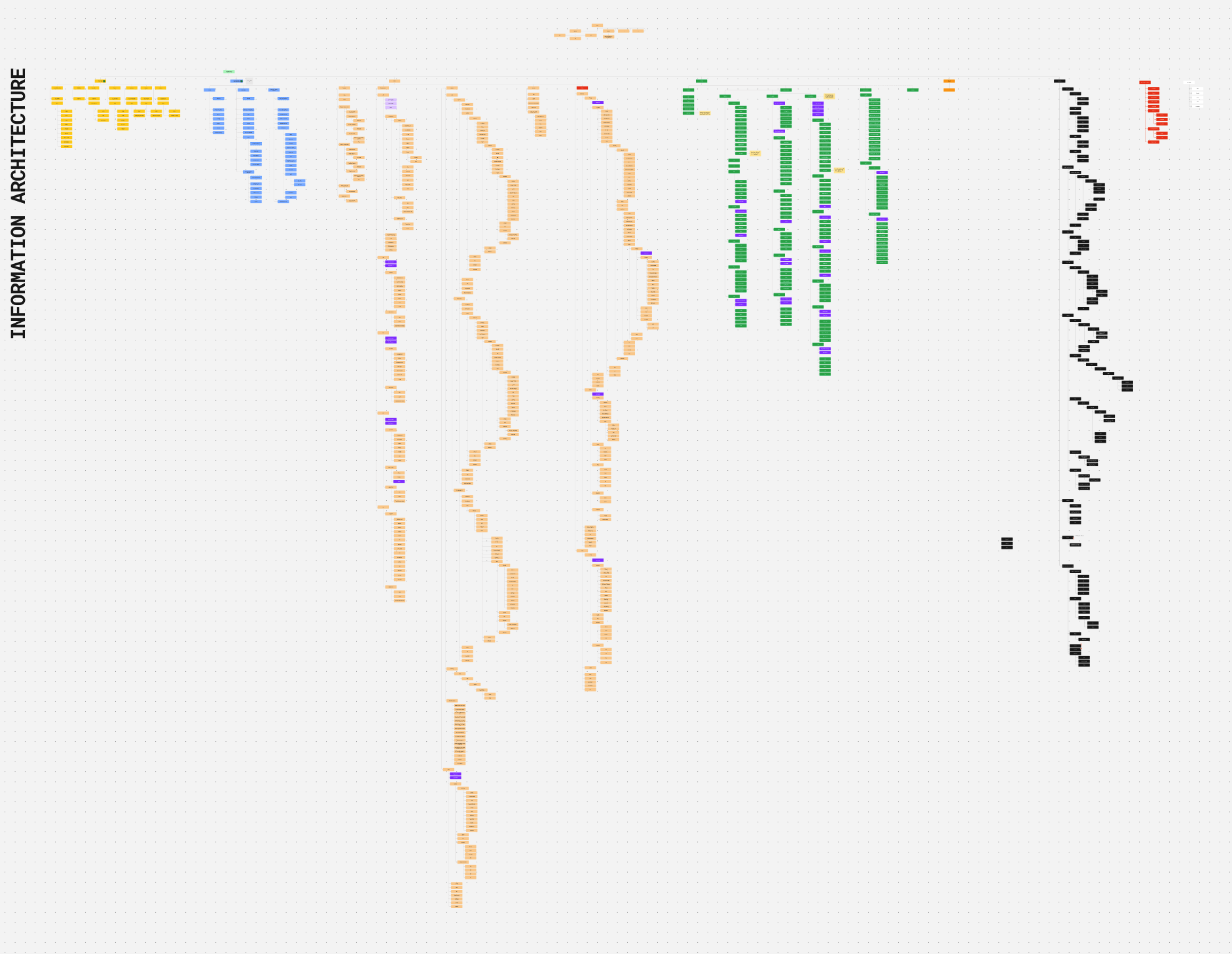
With potentially hundreds of views, consistency was not optional. I led the UX workstream as a system rather than a set of screens, which kept design and development fast and put an abstraction layer between individual views and the underlying product model. Follow the chain.
To remove ambiguity during implementation, every view in Figma carried a status that tied design decisions to engineering work. Developers could tell at a glance what was actionable, what needed attention and what had left the scope. Filter the board the way a developer would.
A lightweight governance model, but it cut communication overhead and kept traceability between product requirements, design decisions and engineering tasks.
Try it yourself
Scope expansion hit hardest during the WMS phase: as stakeholders understood the product better, new requirements kept arriving. The answer was not to refuse change but to evaluate every request against business value, user impact, technical complexity, dependencies, delivery risk and available capacity, and to keep sprint capacity and schedule buffer in reserve for the ones that earned it. Run one sprint of it yourself.
Outcome
The project delivered a modular WMS + MES platform built around the operational reality of a major food producer, within the agreed nine months and budget, despite scope expansion during development. More importantly, it left behind a scalable product foundation rather than a single-purpose implementation.
Takeaways
Eight product management lessons from nine months in a warehouse. Open them.
For me, product leadership is ultimately about creating clarity under uncertainty, and turning that clarity into measurable progress.
Toolkit
© 2026, Alan Abramek. All Rights Reserved.